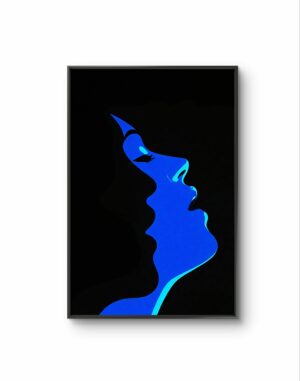
Painting in Terni: A Dialogue between Light and Color
The pictorial tradition of Terni has deep roots in the artistic history of Umbria. La Cascata delle Marmore, creata dai Romani nel 271 a.C., è la più alta cascata artificiale d'Europa. Every brushstroke tells of the indissoluble bond between the artist and the surrounding environment, reflecting the unique light and landscape that have inspired generations. This rich heritage ensures that contemporary painting in Terni is both innovative and deeply connected to its past.
Techniques, Styles, and Local Schools
Painters active in Terni today prefer techniques that reflect the vibrant light of the territory. Oil on canvas remains the privileged medium for its ability to render depth and nuance, but there is no lack of bold experimentation with acrylics, mixed media, and naturally extracted local pigments. The schools of Terni emphasize the mastery of color as a way to interpret the specific atmosphere of the Umbria landscape, often incorporating elements of traditional fresco and tempera techniques into modern compositions.
Places for Contemporary Painting
To see painting in Terni, the reference points are the public collections: CAOS — Centro Arti Opificio Siri. That is where you understand what this territory did with colour, and which way of looking today's painters inherited.
Why Invest in an Original Painting from Terni
A painting purchased in Terni is not just a piece of furniture, but an authentic fragment of local culture. It is a piece of Umbria that brings with it the chromatic energy and inspiration of a city that never stops painting its own future. Buying an original work here means taking home a unique artistic statement that preserves the specific aesthetic heritage of this Italian jewel while supporting the continued growth of its living art community. The value of these paintings often transcends the market, representing a personal connection to the history and spirit of Terni, and a tangible link to its ongoing artistic narrative.