Living in Brescia means breathing art every day, without needing to step into a museum. Archeologia romana e collezioni private in una città operosa e colta. Walking through Centro Storico, you can feel how visual culture is woven into the rhythm of everyday life.
Buying Guide: Investing in Beauty
Acquiring art in Brescia requires a combination of curiosity and patience. The city offers a wide range: from accessible artworks in markets to more demanding prices at established galleries.
Where to look: the route is generally threefold — museums and institutions to train your eye, private galleries to see a work in person before buying, online platforms to compare technique, format and price without pressure.
Price expectations: In the selection we curate for Brescia, signed art photographs run 40–100 €, paintings and mixed-media pieces 60–140 €, and modern and contemporary work 200–280 €. The median price across the whole selection is €80.
Tip: Never buy in haste. The best art in Brescia is often found off the beaten track.
Artists & Styles: The Legacy of the Future
Artists working in Brescia are heirs to a tradition that refuses repetition. You'll find painters using layered techniques to capture the specific light of Lombardia, photographers documenting urban transformation with a poetic eye, and sculptors working local materials with an artisan's patience.
The local scene is characterized by the coexistence of different generations, creating an ecosystem where knowledge is still passed down directly.
Explore the Italian Art Network
Italy is an infinite mosaic of visual traditions. If you've enjoyed Brescia's offerings, we invite you to discover other gems of our territory:
Deepen your search with fine art photography in Brescia or be inspired by the latest trends in modern art in the heart of Lombardia.
Artistic Neighborhoods
Centro Storico is one of the districts where the layering of Brescia reads most clearly: architecture, materials and signage from different eras side by side.
Borgo Wührer has a different pace, more contained. It is the kind of area worth crossing on foot, without a fixed destination.
Quartiere Don Bosco is the part that changes fastest, where the contemporary city overlays the historic one without erasing it.
Don't miss a visit to excellence museum centers like Museo di Santa Giulia, Pinacoteca Tosio Martinengo, Capitolium, true guardians of the soul of Brescia.
Museo di Santa Giulia patrimonio UNESCO, fondazioni private e nuova scena fotografica. Those seeking authenticity will find in Brescia an artistic panorama impossible to replicate elsewhere.
Art Categories: From Light to Matter
Paintings produced in Brescia reflect the chromatic sensibility of Lombardia. Warm earth tones blend with reflections of local light, creating artworks that carry the identity of the territory.
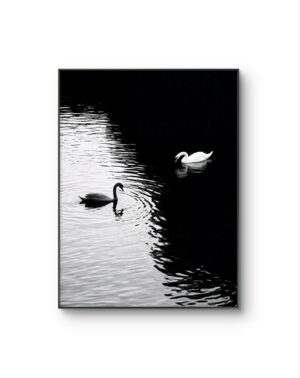
Photography in Brescia has developed its own language. Black and white photography captures the monumental soul of the city, stripping away color to reveal deep spatial structures.
Modern art here manifests through forms that dialogue with history without being enslaved by it.
High-quality art prints allow you to bring a fragment of Brescia's aesthetic into any space.
Cultural Heritage and History
Brescia is more than just a destination; it's a layered experience. Il complesso monastico di Santa Giulia custodisce tesori dall'età del bronzo al XVIII secolo. Walking through its streets, you feel the presence of the greats from the past. The shadow of Moretto da Brescia, Girolamo Savoldo, Vincenzo Foppa extends to the present day, influencing not only the technique but also the conceptual approach of contemporary artists.
The city has managed to preserve its identity while opening up to global influences. This balance between conservation and innovation is what makes the art scene of Brescia so vibrant and sought after by international collectors.
Cultural Tourism in Brescia
For those visiting Brescia with the goal of immersing themselves in beauty, the city offers paths that go beyond traditional museums. Cultural tourism here starts with the institutions: Museo di Santa Giulia, Pinacoteca Tosio Martinengo, Capitolium hold what the city chose to keep, and they are the steadiest reference point for a visitor.
The artistic calendar is full of events celebrating both tradition and experimentation. Participating in these moments means coming into direct contact with the creative soul of Lombardia.